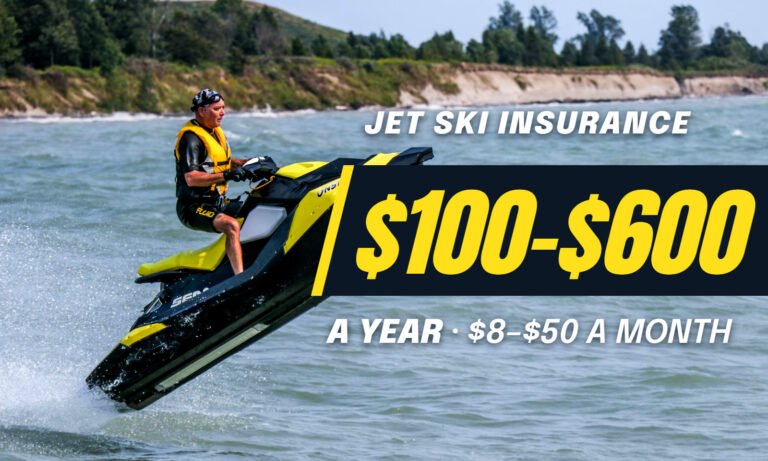

If you’re a weekend sailor, commercial fisherman, or luxury yacht owner, protecting your vessel with proper marine insurance is essential. At Casey Insurance, we understand that every boat is unique, and so are its insurance needs. This comprehensive guide explores the different types of vessels we can insure and the key considerations for each category.
Recreational Vessels To Insure
1. Yachts and Motor Yachts
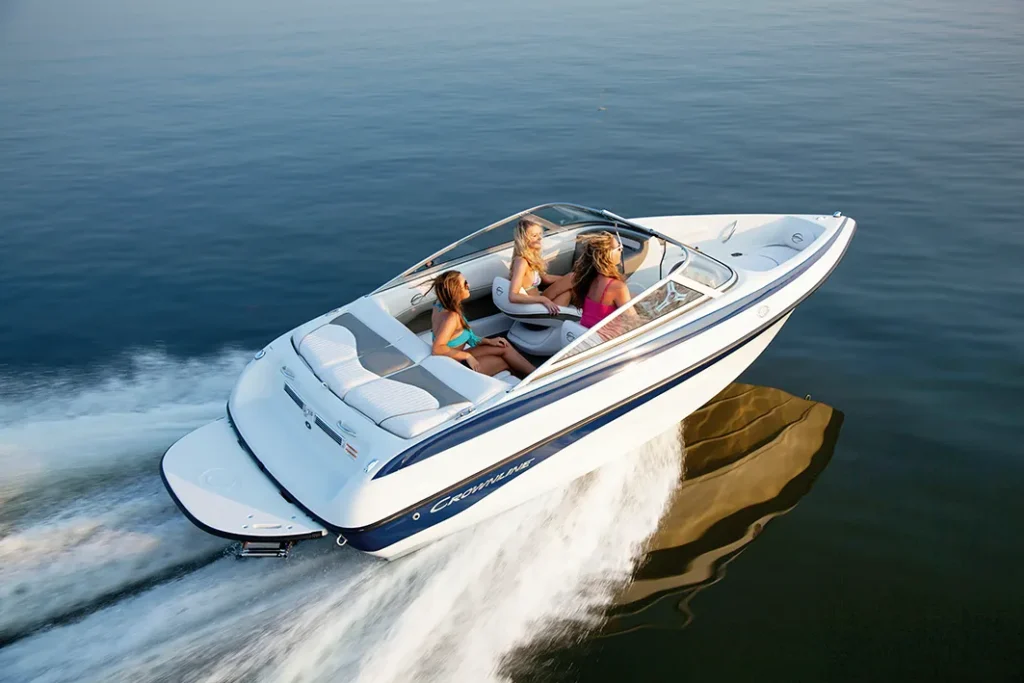
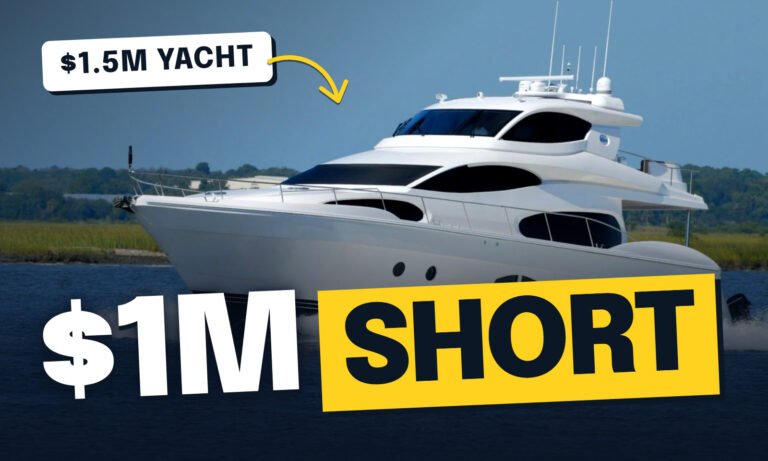
Luxury yachts represent significant investments requiring specialized coverage. We insure motor yachts ranging from 35-foot weekend cruisers to 200+ foot superyachts.
Key Coverage Considerations:
- High-value equipment and electronics
- Extended cruising ranges and international waters
- Professional crew liability
- Guest injury protection
- Tender and water toy coverage
Policy Features: Agreed value coverage, worldwide navigation, and comprehensive equipment protection.
2. Sailboats
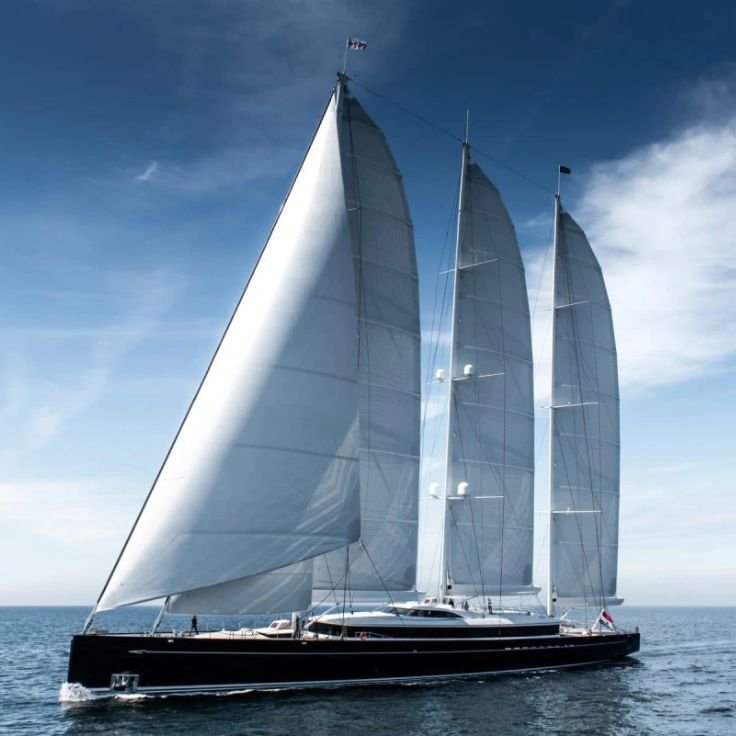
From day sailors to blue-water cruisers, sailboats present unique risks and requirements. We cover everything from small dinghies to ocean-crossing vessels.
Coverage Highlights:
- Sail and rigging protection
- Racing coverage options
- Salvage and wreck removal
- Personal effects coverage
Special Considerations: Mast and rigging surveys, racing exclusions or endorsements, and seasonal lay-up options.
3. Catamarans and Multihulls
These stable, spacious vessels are increasingly popular for both recreation and charter use.
Unique Features:
- Higher replacement costs due to specialized construction
- Charter business coverage options
- Twin engine considerations
- Beaching and shallow water navigation coverage
Personal Watercraft and Small Boats To Insure
4. Jet Skis and PWCs

Personal watercraft require specific coverage due to their high-performance nature and increased accident risk.
Coverage Elements:
- Liability protection (often higher limits recommended)
- Physical damage coverage
- Theft protection
- Trailer coverage
5. Bass Boats and Fishing Boats
Purpose-built fishing vessels need protection for specialized equipment and tournament use.
Key Features:
- Tournament fishing coverage
- Electronics and fish finder protection
- Outboard motor coverage
- Trailer and towing equipment
6. Pontoon Boats
Family-friendly pontoons are popular for recreational use and require tailored coverage.
Coverage Options:
- Guest injury protection
- Equipment coverage for grills, furniture
- Towing and assistance
- Seasonal storage protection
Commercial Vessels To Insure
7. Charter Boats
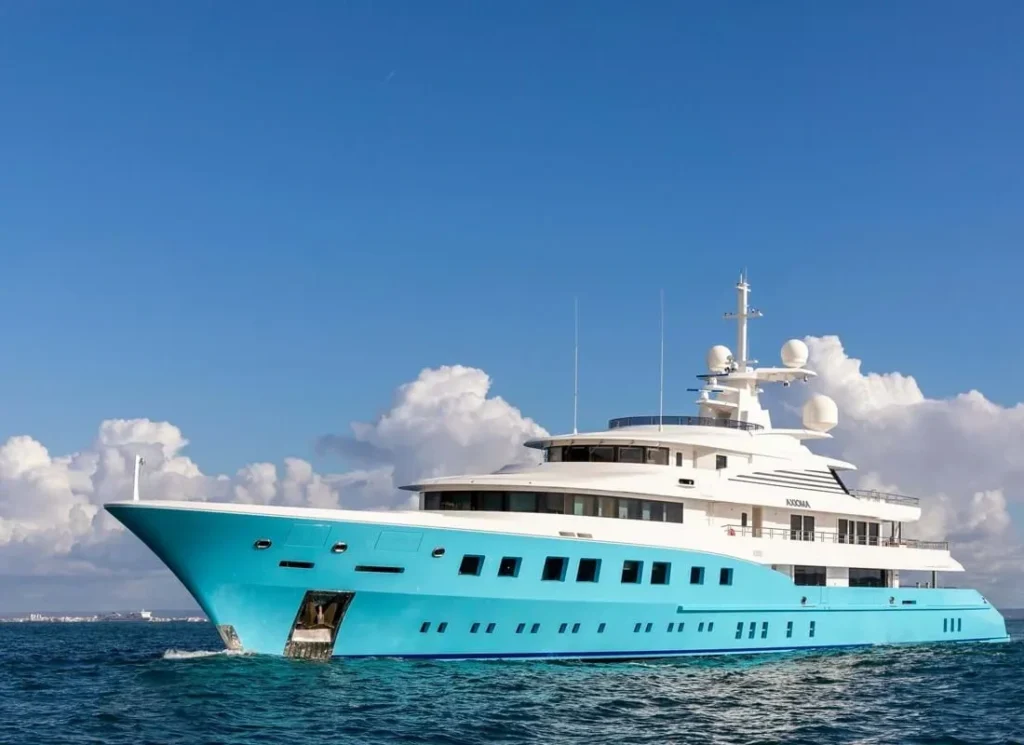
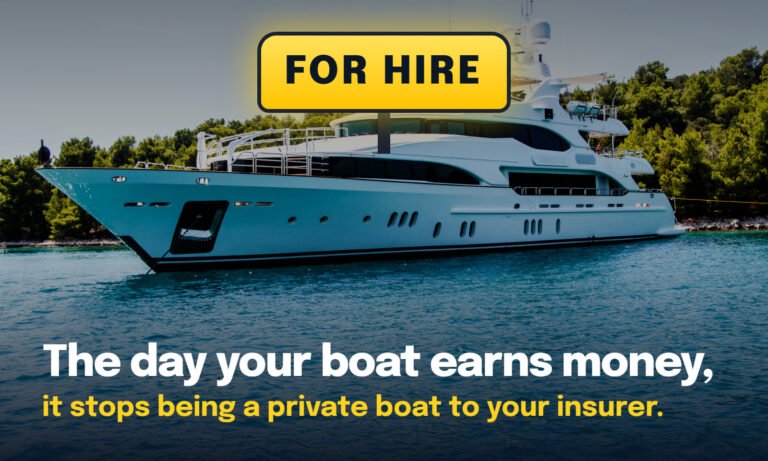
Vessels used for hire require commercial marine insurance with enhanced liability coverage.
Essential Coverage:
- Passenger liability (Coast Guard required minimums)
- Commercial use endorsements
- Captain and crew coverage
- Business interruption insurance
Regulatory Requirements: Must meet USCG commercial vessel standards and insurance mandates.
8. Fishing Vessels
Commercial fishing boats face unique perils requiring specialized coverage.
Coverage Components:
- Fishing gear and equipment
- Catch coverage options
- Pollution liability
- Jones Act crew coverage
- Weather-related loss protection
9. Cargo and Freight Vessels
Commercial cargo operations need comprehensive protection for vessel and cargo.
Key Elements:
- Cargo legal liability
- Terminal and loading coverage
- Pollution and environmental protection
- Business interruption coverage
10. Tugboats and Work Boats
Industrial marine operations require robust commercial coverage.
Specialized Features:
- Third-party towing liability
- Machinery breakdown coverage
- Environmental liability
- Maritime employer liability
Specialty Vessels To Insure
11. Historic and Classic Boats
Vintage vessels require specialized valuation and restoration coverage.
Unique Considerations:
- Agreed value based on restoration costs
- Specialized repair facility requirements
- Show and exhibition coverage
- Appreciation value protection
12. Houseboats
Live-aboard vessels need coverage bridging marine and homeowners insurance.
Coverage Features:
- Personal property protection
- Additional living expenses
- Utilities and systems coverage
- Liability for guests and visitors
13. High-Performance Racing Boats
Racing vessels require coverage for competition risks and high-value modifications.
Specialized Protection:
- Racing damage coverage
- Equipment and modification protection
- Transport and trailer coverage
- Competition liability
Factors Affecting Insurability
Vessel Age and Condition
Older vessels may require marine surveys and have coverage limitations. Well-maintained boats of any age can typically secure coverage.
Navigation Limits
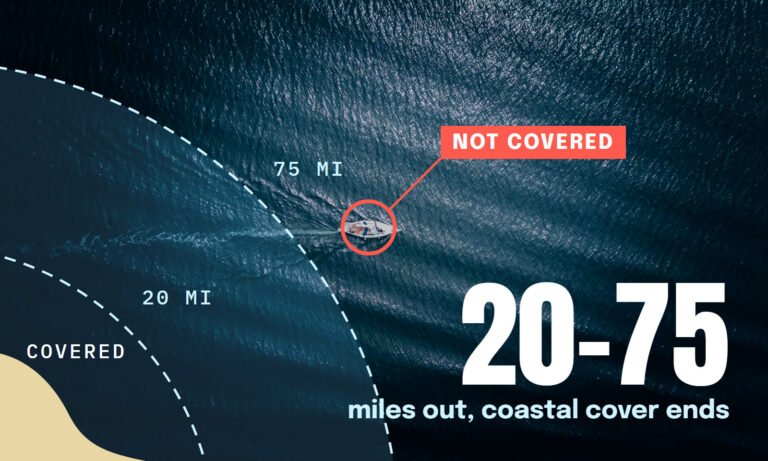
Where you operate your vessel affects coverage and rates:
- Coastal waters
- Inland lakes and rivers
- International waters
- High-risk areas (hurricane zones)
Vessel Value
Higher-value vessels require:
- Recent marine surveys
- Agreed value coverage options
- Enhanced security requirements
- Professional maintenance documentation
Usage Type
How you use your vessel determines coverage needs:
- Pleasure use only
- Occasional charter
- Commercial operations
- Liveaboard status
Boat Insurance Coverage Considerations by Vessel Type
Hull Coverage
Physical damage protection varies by vessel type:
- Fiberglass boats: Standard hull coverage
- Wooden boats: May require specialized coverage
- Aluminum boats: Corrosion and electrolysis considerations
- Steel boats: Rust and maintenance requirements
Liability Protection
Recommended liability limits vary by vessel size and use:
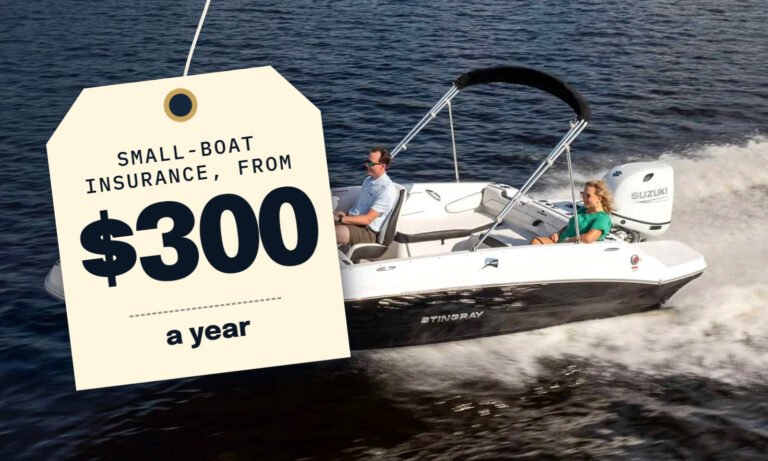
- Small boats: $300,000 minimum
- Medium vessels: $500,000-$1,000,000
- Large yachts: $2,000,000+
- Commercial vessels: Regulatory minimums plus additional protection
Equipment Coverage
Different vessels need specific equipment protection:
- Electronics: Navigation, communication, fish finders
- Safety equipment: Life rafts, EPIRBs, fire systems
- Mechanical: Engines, generators, HVAC systems
- Personal property: Belongings, tools, supplies
Getting the Right Coverage for Your Boat
Marine Survey Requirements
Most vessels over 26 feet or 10 years old require professional marine surveys. This helps determine:
- Current market value
- Structural condition
- Safety equipment compliance
- Insurance eligibility
Documentation Needed
When applying for coverage, gather:
- Vessel registration or documentation
- Previous insurance history
- Recent marine survey (if applicable)
- Equipment inventories
- Safety course certifications
Working with Specialists
Marine insurance is complex, and working with experienced agents like Casey Insurance ensures you get appropriate coverage for your specific vessel type and usage needs.
Every vessel is unique, and so are its insurance requirements. Whether you own a small fishing boat, luxury yacht, or commercial vessel, proper marine insurance protects your investment and provides peace of mind on the water. At Casey Insurance, we specialize in matching the right coverage to your specific vessel type and boating lifestyle.
Contact our marine insurance specialists to discuss coverage options for your vessel. With our expertise and comprehensive carrier network, we’ll ensure your boat is properly protected whether you’re cruising local waters or crossing oceans.
Ready to protect your vessel? Contact Casey Insurance today for a customized marine insurance quote tailored to your specific boat and boating needs.